Return of the Native - About Us
BLOG

Get Blog & Book Updates

What is 30 minus 4?
Name:
Email:
Beautiful Wildlife Garden
  • ss-solomons-seal.jpg
  • ss_01-acd2830512.jpg
  • ss_03-c0989f2896.jpg
  • ss_04-119758bc13.jpg
  • ss_05-9aabf5efac.jpg
  • ss_07-7047fa4388.jpg
  • ss_08-993045db59.jpg
  • ss_09-ebdb5fd8cf.jpg
  • ss_10-79f066d0f9.jpg

The transitory glory of an Ontario spring

Spring ephemerals offer a magical display of wildlfowers that are with us for a few weeks, springing out of the moist leaf litter to enjoy the longer days of sunshine while the trees are bare, only to disappear when the closing canopy brings shade to the northern woodland floor.

Come summer, no trace is left of these perennials: the foliage dies back and the plant goes dormant. Because they have such a brief time to gather nutrients, removing flowers and especially leaves from these plants can kill them. Enjoy the beauty but restrain your urge to possess it. 

It’s an Ontario tradition to get out to see the Trilliums that carpet our deciduous woods in white. The magnificent Large-flowered Trillium (T. grandiflorum) – our provincial wildflower - is the most common but we also have Nodding Trillium (T. cernuum), Red Trilllium (T. erectum), Yellow Trillium (T. luteum) and Painted Trillium (T. undulatum). Seed is dispersed by ants.

Where is the time?

Today I’m off to the Ontario Nature regional meeting in Penetanguishene (followed by a visit to Awenda Park), and tomorrow the day will be spent at Tiny Marsh provincial wildlife area, where there is a group working on a biological inventory (anyone can join, just email me if you’re interested).
Meanwhile spring has sprung and there are no longer enough hours in the day to get everything done – like updating my plant list.
So here, provisionally, is a list of the perennials that are to be added to the plant list ASAP. 
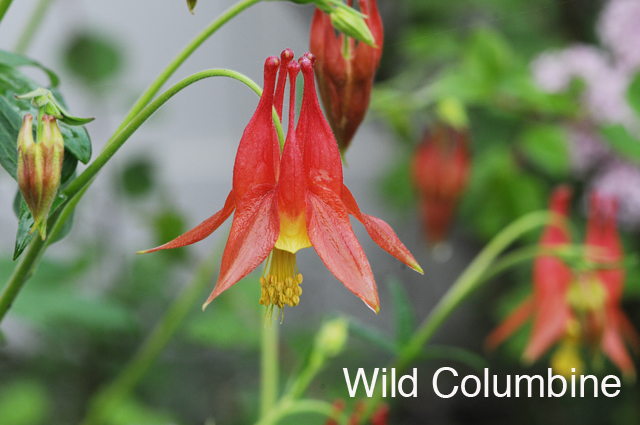
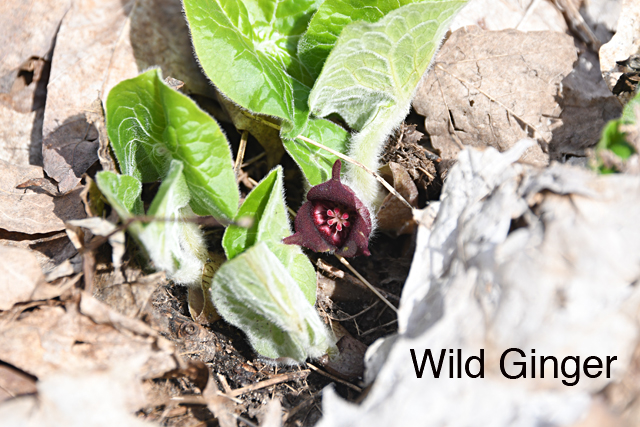
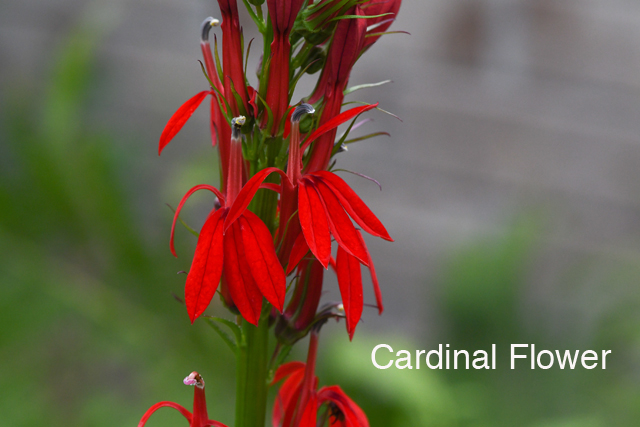
Culver’s Root, Tall Anemone, Wild Bergamot, Wild Ginger, Woodland Phlox, Canada Columbine, Maram Grass, Virginia Bluebells, Sundrops, Shooting Star, Blue Lupine, Sweet Grass, Ostrich Fern, Lance-leaved Goldenrod, Cardinal Flower, Pearly Everlasting.

Don't be seduced, don't be a Sallie Dookey

Just over a century ago, a gardener in Richmond, Virginia established a Japanese garden, importing plants from all over the world. Her name was Sallie Dookey. She died and her garden was left to the city.

In 1951, an entymologist noticed a new alien Asian insect, the hemlock woolly adelgid, on a Eastern Hemlock (Tsuga canadensis) on a nearby property. It was thought to have come from Sallie Dookey’s garden. The Asian hemlocks and spruces that this parasite was known to feed on have resistance to the pest.

The North American hemlock does not.

Never enough compost

Every year I produce more compost. But there's never enough.

I have three large bins in which the kitchen waste from the past winter is breaking down – they won’t be ‘cooked’ until July - and two composted piles from last summer that will just need sieving when they unfreeze.

I also have four bins of leaves from the fall of 2011 which have turned into leaf mould, an excellent mulch and, if sieved, a useful element of potting mix. Another large wire bin, filled with leaves from 2012, won’t be ready to use until the spring of 2014.

I need still more material to meet the potting needs of a small nursery so I have to buy. Last year I explained why I don’t use peat and suggested mushroom compost as part of the mix.

Growing under lights brings spring closer

Officially, it’s the first day of spring, but it’s chilly outside and it snowed last night, and will again tonight and tomorrow, so it’s lucky I have tiny Lupin seedlings to tell me winter hasn’t long to go.

They’re an inch or so tall, the first set of true palmate leaves appearing under the white glare of the growlights. Unlike other perennial seed I started at the beginning of February and plunged into a snow bank (they’re still out there but will be coming in to warm up under light next week), these Lupins are a warm germinator. They don’t need a cold treatment to break dormancy.

But I noticed on the website of Gardens North, where I got the seeds from, that they should be sandpapered before starting, which is something done to seeds with hard outer shells, so the germ inside can push out easily. I rubbed them between a couple of pieces of sandpaper and soaked them overnight for good measure, popped them into little pots filled with with a potting soil mix, covered with sheet of black plastic and placed the lot on top of the fridge – a nice warm place for germination. They sprouted within two days, on March 9, so I moved them to light and they’ve been growing slowly ever since. Perennials tend to be slow – with none of that explosion of life that an annual will give you. 

Return of the Native ©
1186 Flos Rd. 10 E. Simcoe County Ontario 705-322-2545
Serving the Gardening Communities of Elmvale, Wasaga Beach, Collingwood, Stayner, Midland, Barrie & Area
Webcraft By
Thistle Website Design / Joomla Specialists